Do we really need to add lime to our lawn?
Geri’s Garden Tips
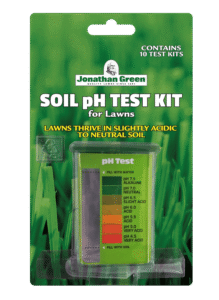 Because our soil here is pretty acidic, many spread lime on our lawns in the spring. I recently learned that lime application generally increases phosphorus (P) availability in acidic soils by raising pH and reducing the solubility of aluminum (Al) and iron (Fe) compounds that lock up P. Contrary to hindering it, lime helps break down iron-phosphate complexes, reducing P bound to iron. This is generally helpful for the plants in our gardens. However since phosphorus is the limiting factor in the harmful algae blooms we have experienced recent summers, decreasing the ability of our soil to retain P could lead to more P making its way into our ponds. Therefore please get your soil tested before you add lime and other fertilizers to your lawn. Make it a practice not to put lime, fertilizers or pesticides down within 100 feet of the waters edge.
Most springs I purchase 4-6 yards of compost and spread an inch or so on all my garden beds and smaller amounts on the lawn where it isn’t growing well. Last spring I didn’t have the time and figured I didn’t need it after many years of supplementing my soil with compost.However I did notice my flowers were not as nice and I needed to water more. I will go back to my compost regimen this spring.
Chemical pesticides, herbicides and fertilizers break down the natural fertility of your soil, requiring you to use more fertilizer to keep your plants growing. It is better to build up your soil with compost, leaf litter, natural fertilizers, and composted animal manure. Use undyed mulch to reduce weeds, retain moisture and replenish nutrients as it breaks down. Or just plant densely with plants close together or ground covers under trees and shrubs to eliminate the need for mulch and reduce weeding.
You can plant seeds for peas, lettuce, radishes, carrots, and spinach and small starter plants for these vegetables and broccoli, kale , and cabbage in your garden now. But it is too early for the more tender plants such as tomatoes, peppers and eggplants, plant them outside after May 15th. You can plant earlier when the soil warms to 60 degrees and you are willing to cover them on cold nights with an overturned large pot or similar protection. Basil is very tender to cold and shouldn’t be planted outside until late May. I often get a head start by putting a basil plant in a large pot that I can bring inside on cold nights. I keep this pot on my deck all summer so it is handy to pick basil when I need some.
You can also plant most annuals in your yard after May 5th. If they were in a green house when you purchased them be sure to get them acclimated by putting them outside in partial shade for a few days and bringing them inside on very cold nights. Most perennial plants can be planted right after you purchase them, unless they are a tropical or southern plant and were in a hot house, such as mandevilla.
Consider planting native plants which require less water and fertilizers and are the best sources of pollen, nectar and food for pollinators and birds. Where we just lost two large pine trees I just planted a shadbush, fothergilla, oak leaf hydrangea, blueberry bush, and divided and spread some of my Solomon’s seal, beebalm, obedient plant and garden phlox. These are all native plants and will fill in the empty space while feeding our wildlife.
Upcoming Program
HPWA is sponsoring a program on May 18th at 5:30pm at Wildlands Trust by Mark Faherty of the Audubon Wellfleet Preserve on Landscaping for Wildlife. I’m looking forward to Mark’s presentation for more tips I can use in my yard. To attend register for this program at: https://www.wildlandstrust.org/calendar/landscaping-for-wildlife-presentation
Comments
Do we really need to add lime to our lawn? — No Comments
HTML tags allowed in your comment: <a href="" title=""> <abbr title=""> <acronym title=""> <b> <blockquote cite=""> <cite> <code> <del datetime=""> <em> <i> <q cite=""> <s> <strike> <strong>