
Geri’s Spring Gardening Tips
by Geri Williams
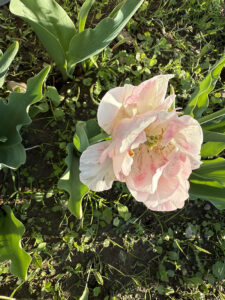 With all the snow this winter, many are dreaming about spring and warm weather. It seems right now that we will not see the ground and our gardens for a long time. But when we do don’t be too quick to start cleaning up your yard. If you left leaves and plant stalks in your yard over the winter, there are many caterpillars, native bees and other insects hibernating there, protected by the snow and leaves. These are essential food for returning birds and their babies. Almost all birds feed their young caterpillars and insects. When you rake and remove all the leaves you are destroying these resources. But if you wait for several consecutive days with temperatures over 55 degrees you can start your clean up. If you have spring bulbs emerging and budding, remove the leaves over them by hand to a pile where the insects can remain until it warms up. If put in an out of the way spot, you could allow the leaves to compost there naturally, providing soil amendments.
Because our soil here is pretty acidic, many spread lime on our lawns in the spring. I recently learned that lime application generally increases phosphorus (P) availability in acidic soils by raising pH and reducing the solubility of aluminum (Al) and iron (Fe) compounds that lock up P. Contrary to hindering it, lime helps break down iron-phosphate complexes, reducing P bound to iron. This is generally helpful for the plants in our gardens. However since phosphorus is the limiting factor in the harmful algae blooms we have experienced recent summers, decreasing the ability of our soil to retain P could lead to more P making its way into our ponds. Therefore please get your soil tested before you add lime and other fertilizers. Make it a practice not to put lime, fertilizers or pesticides down within 100 feet of the waters edge.
Most springs I purchase 4-6 yards of compost and spread an inch or so on all my garden beds and smaller amounts on the lawn where it isn’t growing well. Last spring I didn’t have the time and figured I didn’t need it after many years of supplementing my soil with compost. However I did notice my flowers were not as nice and I needed to water more. I will go back to my compost regimen this spring.
Chemical pesticides, herbicides and fertilizers break down the natural fertility of your soil, requiring you to use more fertilizer to keep your plants growing. It is better to build up your soil with compost, leaf litter, natural fertilizers, and composted animal manure. Use undyed mulch to reduce weeds, retain moisture and replenish nutrients as it breaks down.
If you want to grow your own annual flower plants, you should start the seeds in March so that they are a good size for transplanting into your garden by mid to late May. Be sure to use seed starting mix rather than potting soil to start the seeds for best results. When the seedlings are a couple inches tall transplant them into individual pots with potting soil. For a week before you plan to put your plants into the garden, set them outside in part shade for several hours a day to harden them off.
Comments
Geri’s Spring Gardening Tips — No Comments
HTML tags allowed in your comment: <a href="" title=""> <abbr title=""> <acronym title=""> <b> <blockquote cite=""> <cite> <code> <del datetime=""> <em> <i> <q cite=""> <s> <strike> <strong>